Fázový posun
Miroslav Haľák
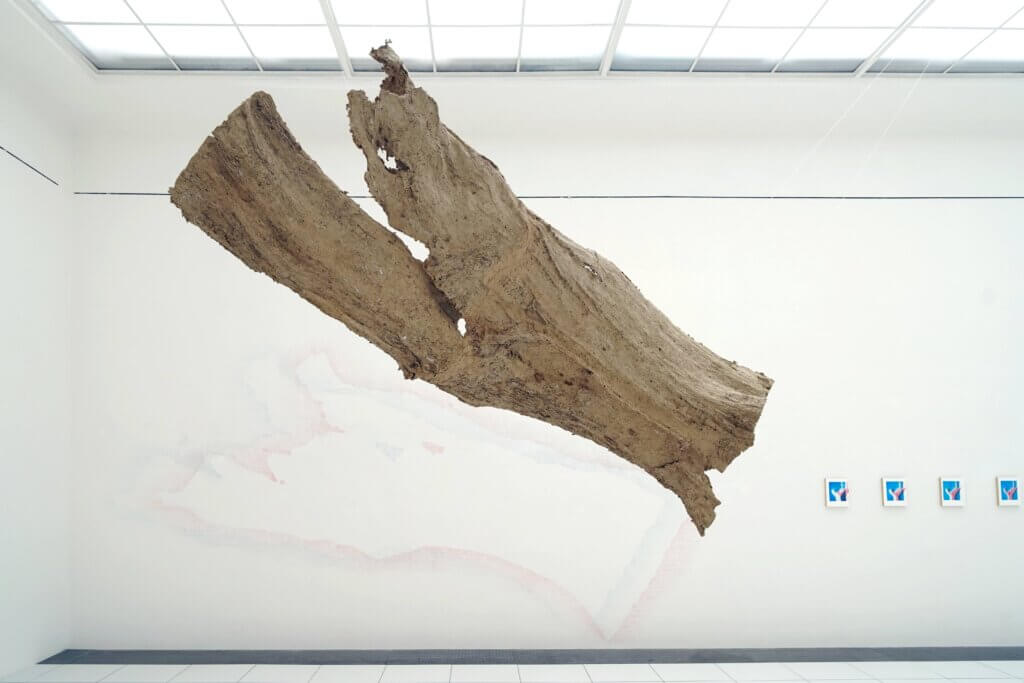
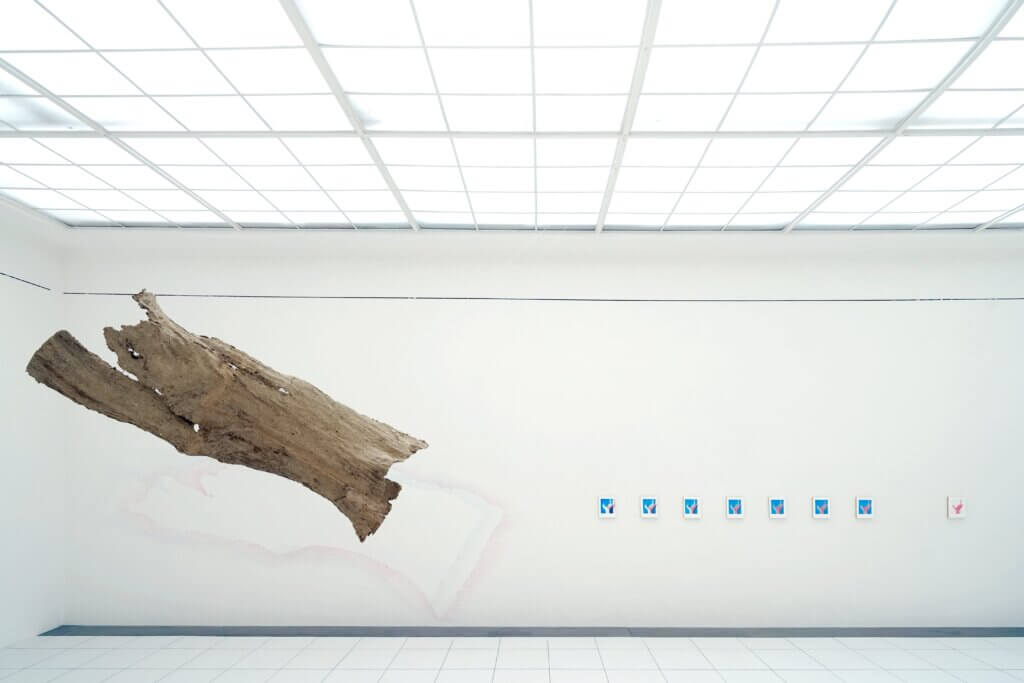
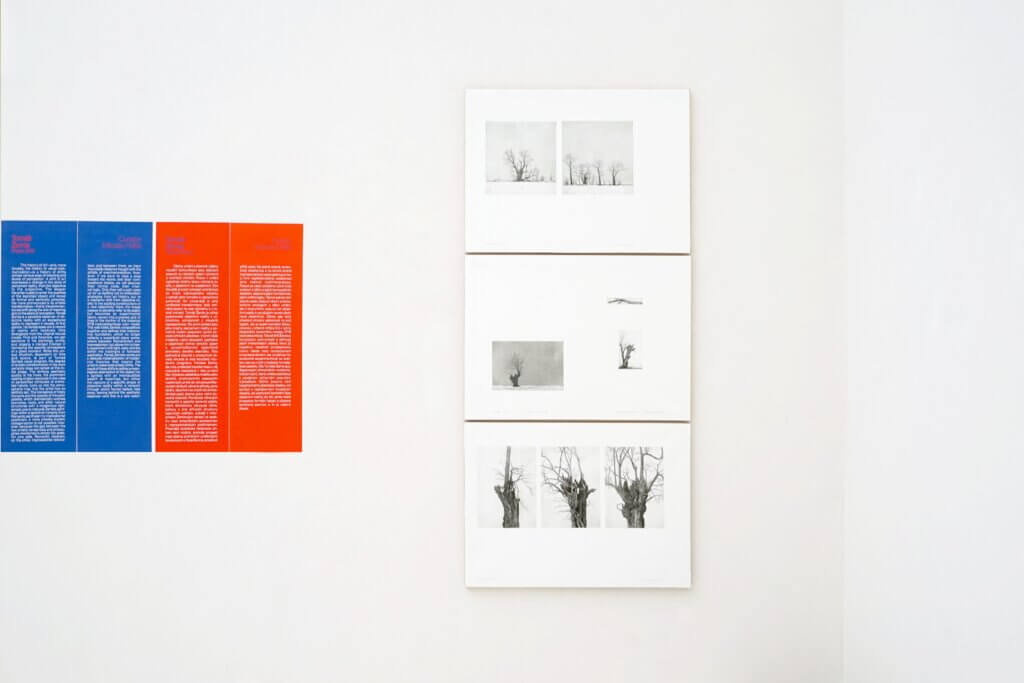
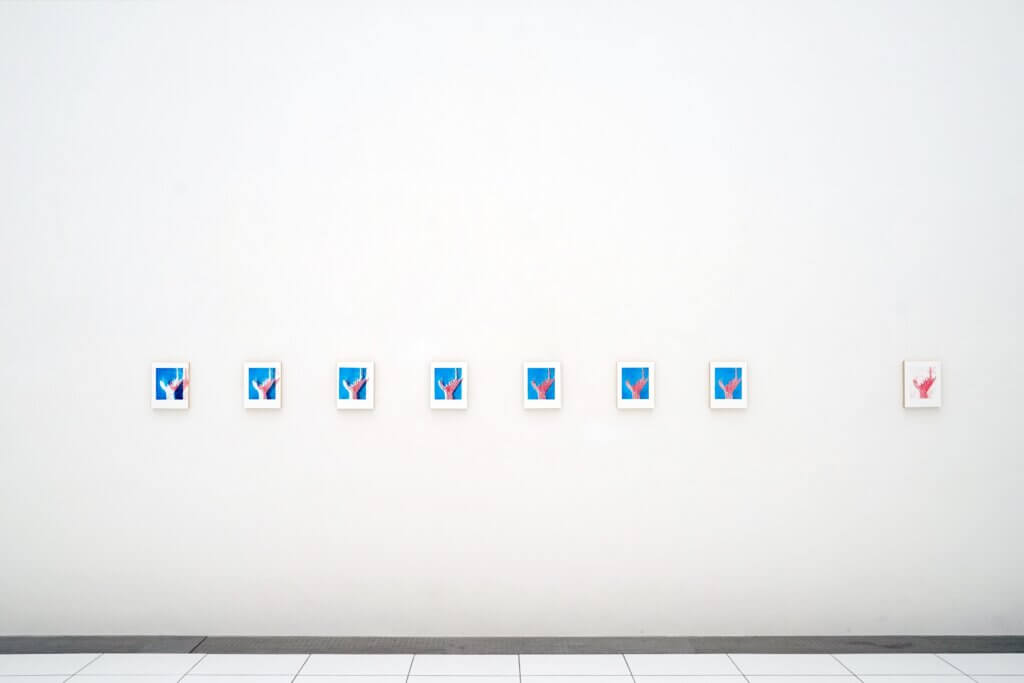
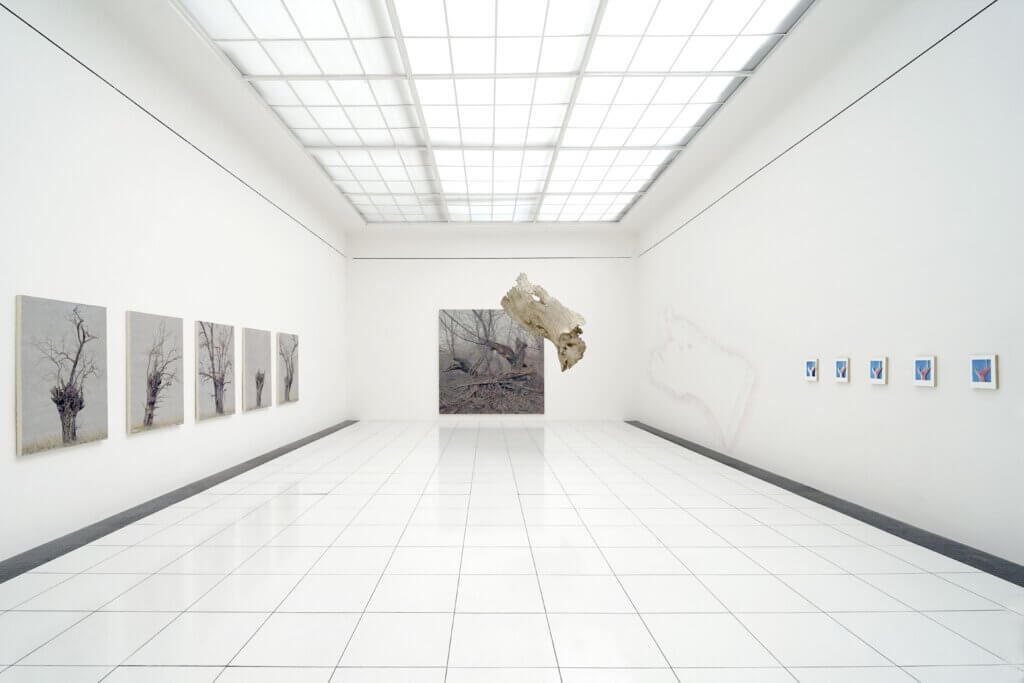
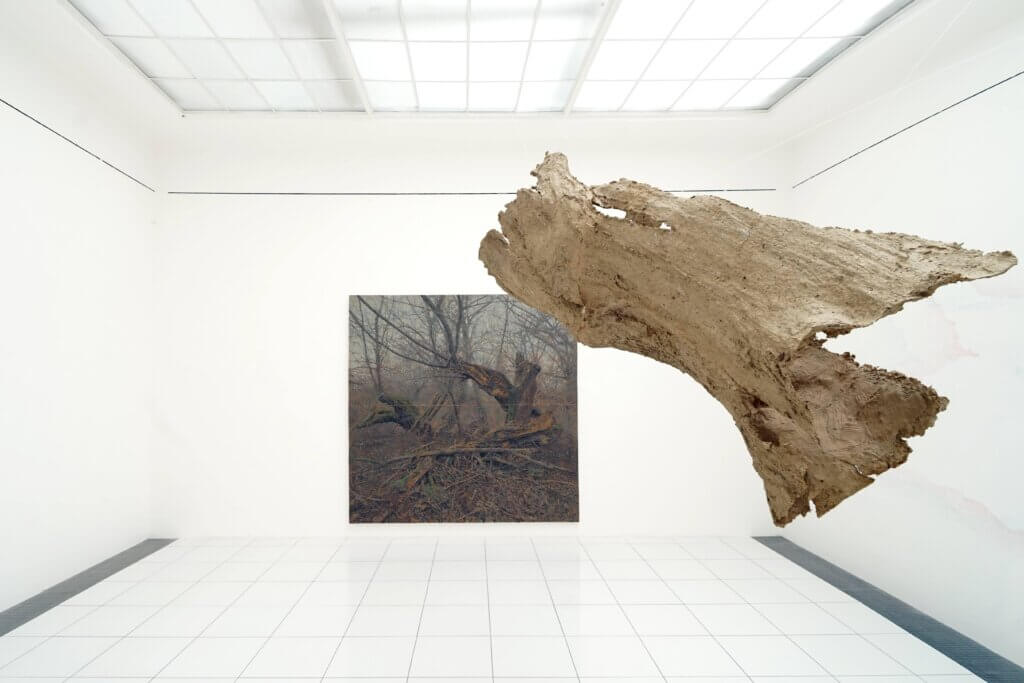
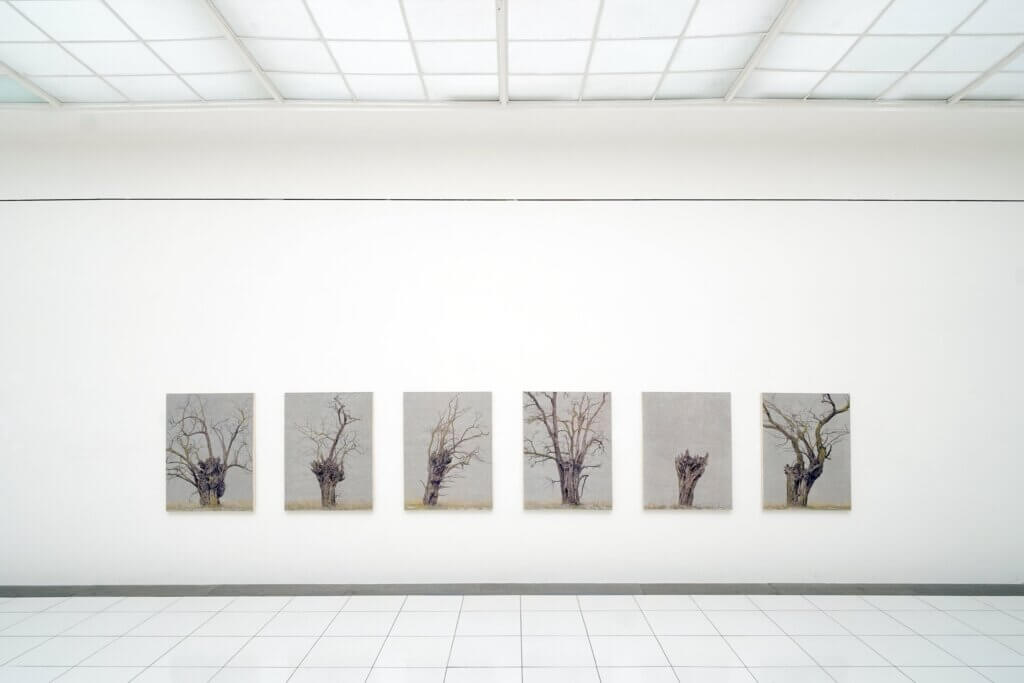
Dějiny umění a obecně i dějiny vizuální komunikace jsou dějinami posunů na různých osách významů a rovinách vnímání. Posun v umění vyjadřuje změnu stavu vnímané reality z objektivní na subjektivní. Čím hlouběji je autor schopen proniknout do kvalit zobrazeného objektu a odhalit jeho formální a významový potenciál, tím výraznější je jeho umělecká transformace, tedy zmíněný posun na ose významu a v rovině vnímání. Tomáš Žemla je citlivý pozorovatel objektivní reality s výjimečnou schopností ji vizuálně reprezentovat. Na první pohled jsou jeho krajiny záznamem reality s poměrně malým posunem oproti původní přírodní předloze. V první řadě můžeme v jeho obrazech, grafikách a objektech vnímat výrazný zájem o zprostředkování specifické atmosféry daného okamžiku. Tato jedinečná časově a prostorově závislá situace je sice součástí vizuálního programu Tomáše Žemly, ale míra umělecké transformace u něj rozhodně nezůstává v této prvotní fázi. Výraznou estetickou kvalitou jeho stromů, prominentním zasazením rostlinných prvků do rolí personifikovaných atributů oživené přírody, jsme lákáni, abychom se chytili do atmosférické pasti, kterou autor velmi dovedně nastražil. Pomíjivost mlhavých horizontů a opacita barevné palety, která dramaticky obrysuje větve, kořeny a jiné přírodní struktury tajemným světlem, svádějí k interpretaci Žemlových obrazů ve spektru mezi romantickým panteismem a impresionistickým pozitivismem. Přesnější stylistická lokalizace přitom není možná, protože propast mezi oběma zmíněnými uměleckými tendencemi a filosofiemi je prostě až příliš velká. Na jedné straně romantický idealismus a na druhé straně impresionistický racionalismus a mezi nimi nepřekonatelná vzdálenost plná nástrah nadinterpretace. Pokud se však odvážíme učinit krok směrem k dílům a jejich kompozičním detailům, objevíme jejich formální kód, jejich vnitřní logiku. Teprve pak se nám otevře cesta vedoucí nikoli k ambivalentním analogiím z dějin umění, ale k bravurnímu posunu od objektivní reality k vzrušujícím konstrukcím nové objektivity. Obraz zde totiž přestává otrocky odkazovat na svůj objekt, ale je experimentální látkou, utkanou v přesné mřížce linií v rytmu klasického barevného modelu RYB (red/yellow/blue). Tato síť drží Žemlovy kompozice pohromadě a definuje jejich interpretační základ, který již najednou neodráží prvoplánovou rovinu někde mezi romantismem a impresionismem, ale umožňuje mu svobodně experimentovat se světlem, barvou a linií v tradicích formalistické estetiky. Díla Tomáše Žemly jsou filigránským zhmotněním modernistických teorií, které umělce podněcují k odvážným výtvarným posunům. Výsledkem těchto posunů není bezpředmětná abstrakce objektu, ani symbol s nepřeberným množstvím obsahů, ale zachycení konkrétní fáze objektivní reality do sítí, skrze které propadne formální balast a zůstane estetická esence, a to je vzácný úlovek.
Phase Shift
Miroslav Haľák
The history of art—and, more broadly, the history of visual communication—is a history of shifts across various axes of meaning and levels of perception. A shift in art expresses a change in the state of perceived reality, from the objective to the subjective. The deeper the artist is able to enter the qualities of the depicted object and reveal its formal and semantic potential, the more pronounced is its artistic transformation—that is, the aforementioned shift along the axis of meaning and on the plane of perception. Tomáš Žemla is a sensitive observer of objective reality with an exceptional ability to represent it visually. At first glance, his landscapes are a record of reality with relatively little divergence from the original natural model. First and foremost, we can perceive in his paintings, prints, and objects a marked interest in conveying the specific atmosphere of a given moment. While this unique situation, dependent on time and space, is part of Tomáš Žemla’s visual program, the degree of artistic transformation in his work certainly does not remain at this initial stage. The striking aesthetic quality of his trees, the prominent casting of plant elements in the roles of personified attributes of animated nature, lures us into the atmospheric trap that the artist has so skillfully set. The transience of misty horizons and the opacity of the color palette, which dramatically outlines branches, roots, and other natural structures with a mysterious light, tempts one to interpret Žemla’s paintings within a spectrum ranging from Romantic pantheism to Impressionist positivism. A more precise stylistic categorization is not possible, however, because the gap between the two artistic tendencies and philosophies mentioned is simply too great. On one side, Romantic idealism; on the other, Impressionist rationalism; and between them, an insurmountable distance fraught with the pitfalls of overinterpretation. However, if we dare to take a step toward the works and their compositional details, we will discover their formal code, their internal logic. Only then will a path open up for us leading not to ambivalent analogies from art history, but to a masterful shift from objective reality to the exciting constructions of a new objectivity. Here, the image ceases to slavishly refer to its object but becomes an experimental fabric, woven into a precise grid of lines in the rhythm of the classical RYB (red/yellow/blue) color model. This web holds Žemla’s compositions together and defines their interpretive foundation, which no longer reflects a superficial plane somewhere between Romanticism and Impressionism, but allows him to freely experiment with light, color, and line within the traditions of formalist aesthetics.
Tomáš Žemla’s works are a delicate materialization of modernist theories that inspire the artist to make bold artistic shifts. The result of these shifts is neither a meaningless abstraction of the object nor a symbol with an inexhaustible wealth of meanings, but rather the capture of a specific phase of objective reality within a network through which formal ballast falls away, leaving behind the aesthetic essence—and that is a rare catch.